
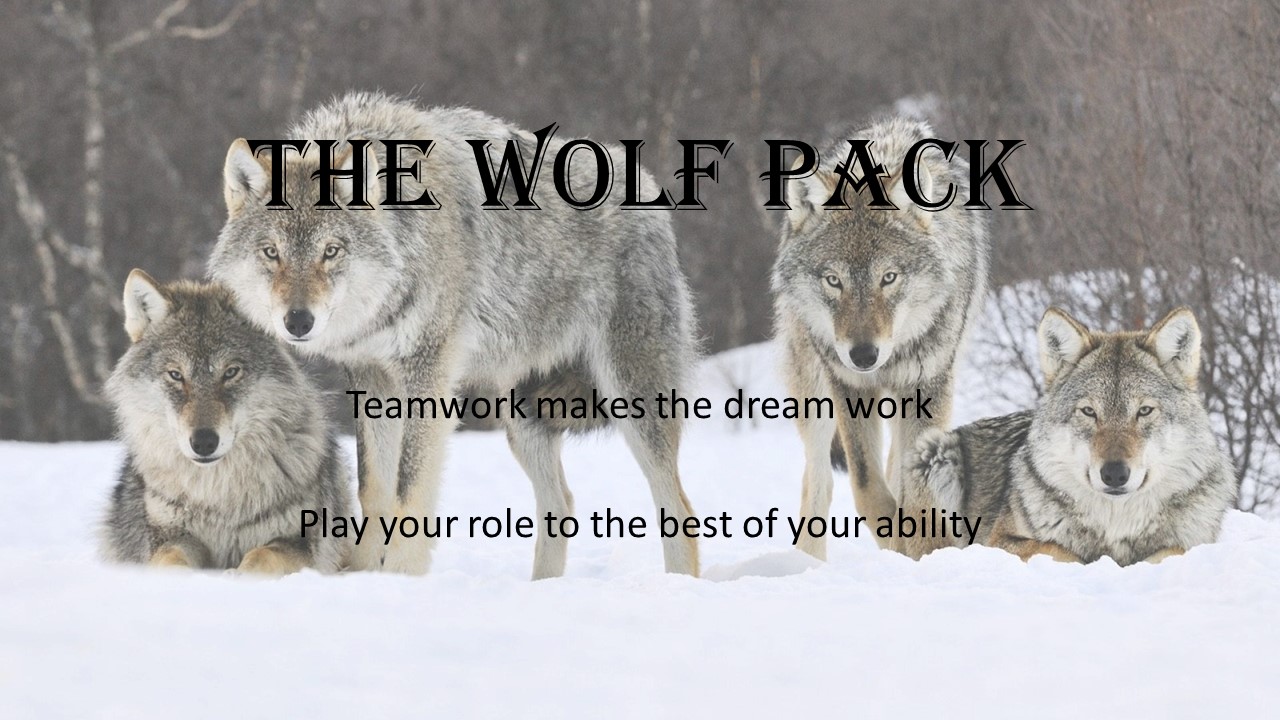
Looking closer at the wolf mythology to glean a few facts, a few interesting parallels to the human condition came to light. This week’s Wolf Wednesday post will start by looking at the wolf pack, then move into the parallels to the human condition before ending with a special selection from a dear friend of the blog.
For starters, wolves are amazing creatures. They’re social. They’re loyal to a point. They’re amazing hunters. And they have very few animals they fear. Kind of like apex predators, they could do with less human meddling.
Many humans want to have that same set of characteristics about themselves. They want to be feared, they want to have no fear, they want to have power, they want to have freedom to roam and do as they please. Well… one day, they may well grow up to understand that is not how life works.
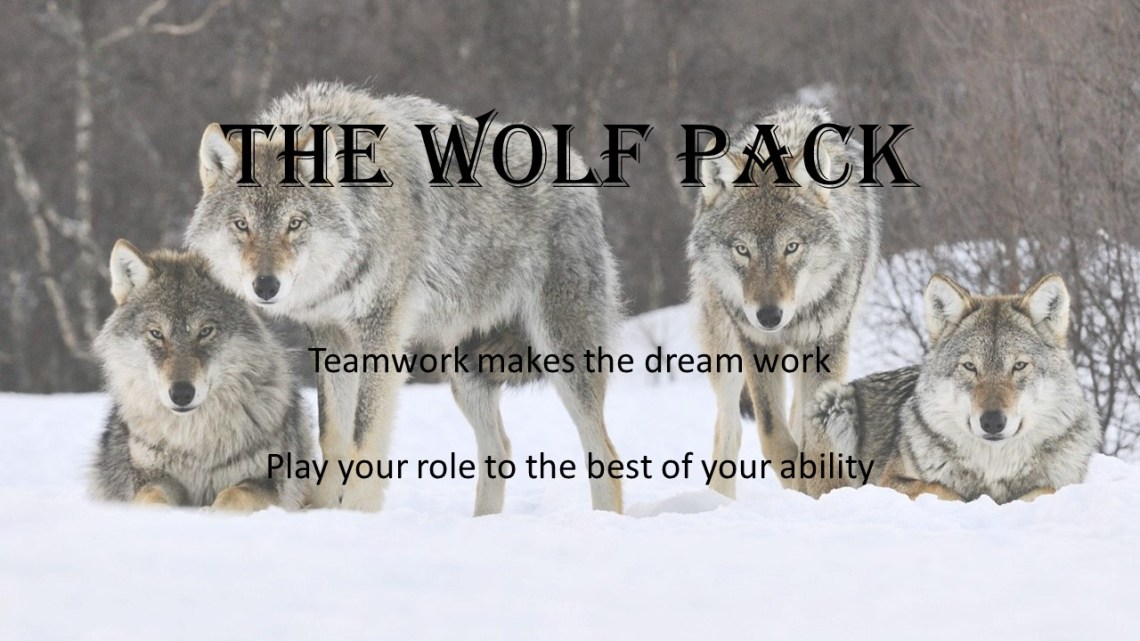
The Wolf Pack
The pack is comprised of an adult male, an adult female, and any number of young pups. The range varies from 1–6 per births (depending on the source you find online) with the average being 4.
The pack is the family unit of the wolf. Interestingly enough, there is no solid consensus word to describe the female adult. Unlike the fox where the male is called a fox and the female a vixen, wolves are just wolves. For literary emphasis, the term she-wolf has shown up to help put gender differences between the leaders of the pack.
What is most fascinating, both male and female are incredible hunters and protectors of the pack. They work as a team. The only time the female is seen hanging back is when it’s time to protect the pups as they grow.
In the Wolf Pack, adult males and females are equals. They share the load equally. They do the work equally. The only division seen is in child care. As the pups grow, the division seems to evaporate quickly. It is not uncommon to see the female wolf leading her pack either.
Where does this alpha wolf talk fit?
The lead of the pack is the alpha. The male and female lead wolf are called alpha wolves. As the pack grows, hierarchy is strictly enforced and kept for the orderly functioning of the pack. The alpha wolf sets the tone. There is only one alpha wolf. In his temporary absence, his partner takes over or he assigns the lead to the beta wolf of his choice. (how dominance is established and how other alpha wolves handle submitting to the lead is beyond the scope of this post)
Note: Depending on the maturity, wisdom, and personality of the alpha wolf, the nature of the order in the pack will be nearly as unique as the leadership of the pack.
The alpha wolf enjoys certain privileges. He doesn’t have to go and fight, but almost always does. He gets first dibs on food but makes sure his pack is fed. As the king of the pack, he has first and only access to the queen of the pack, his lady, the Luna. Only the alpha male and alpha female mate and produce pups.
Not short-changing the other ranks in the pack, today’s topic is focusing on the alpha wolf. Suffice to say, the other wolves know not to challenge the top seat. The cost is too high. It’s better to leave the pack and start one’s own than challenge the alpha.
Why the order? Why the structure. Aren’t wolves super predators?
In pulling fact from fiction, wolves are incredible animals. They can sense things and keenly smell on coming enemies. They can put up a terrible fight alone and do significant damage alone.
However, why risk getting caught off-guard and getting seriously hurt when you can enjoy the social fun of a pack and ensure all other threats are dealt with with minimal to no casualties. The sharing of the work/hunt/play/defense/offense makes the pack extremely formidable.
The other advantage the wolf has… is endurance. The wolf can travel great distances at speed without getting as tired as quickly as other animals.
In other words, it can chase down prey over great distances at speed. The prey would exhaust itself and collapse, putting up no fight to the determined wolf. Any would be predator would either tire out or get bored of the intense chase and turn it’s attention to easier prey. Most predators do not like to chase until all energies are depleted. The wolf will easily outrun most of it’s enemies on sheer endurance.
Not that the wolf cant’ fight, but it prefers the psychological warfare over the physical one. Even if it is fierce in physical battle and rarely is beaten.
That said. The pack has rules and order so that they do not have to squander resources. They all listen to each other, they all work together as a team, the all look out for each other, they all survive together, and they all have one leader inside the pack.

 Shallows of the Deep
Very much appreciate the analogies in this blog post. Especially, like the encouragement of She-Wolves supporting one another.
LikeLiked by 1 person
Thank you kindly
We call can win together:) life is. Ore fun when we all win together.
The zero sum game is draining and unsustainable.
Glad you like the post. Very encouraging. Looking forward to the next in the series
LikeLike